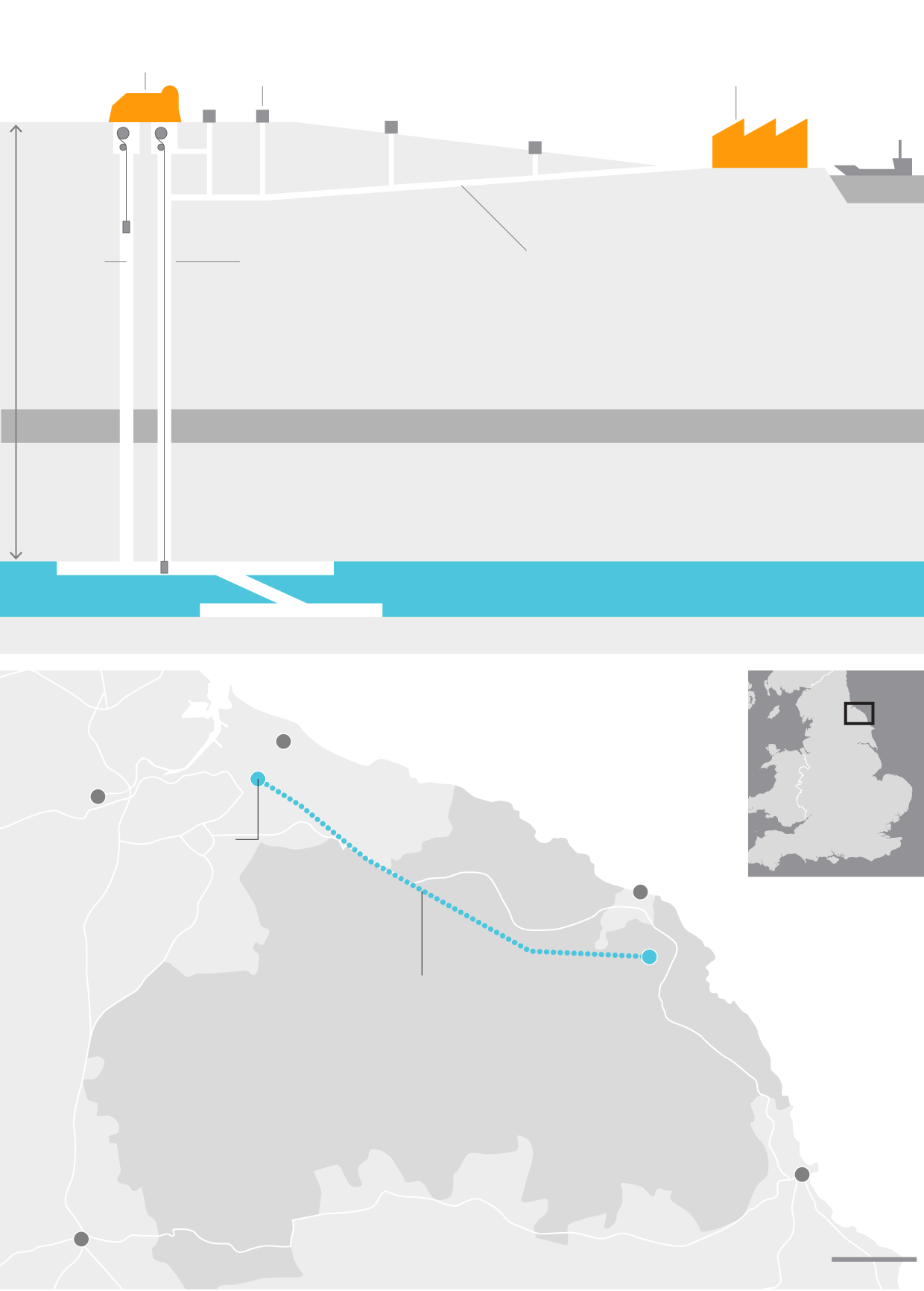
One of my longer and more problematic projects has been Sirius Minerals. What began as a copper and gold mining exploration firm turned into one of the biggest potash firms, and the first non-hydrocarbon mine in the UK in over half a century. As I’ve remarked to friends, if oil & gas run out we wind up cycling, but if the potash runs out we move from 7 billion people to 1 billion people in less than two years. Hmmm.
Planning permission has been the key to success. Having been one of the founders, along with Richard Poulden and Jonathan Harrison, back in 2005, I was delighted to see planning permission finally approved.
It’s an exciting, interesting (not least being a two century export supply for all of Europe and having a 37 km transportation tunnel to Teeside), and potentially highly-profitable project with which I’m proud to have been associated. Interesting that it becomes successful alongside another decade long project at Barts (see next). The pigeons may take a long time to come home to roost, but they do home in.
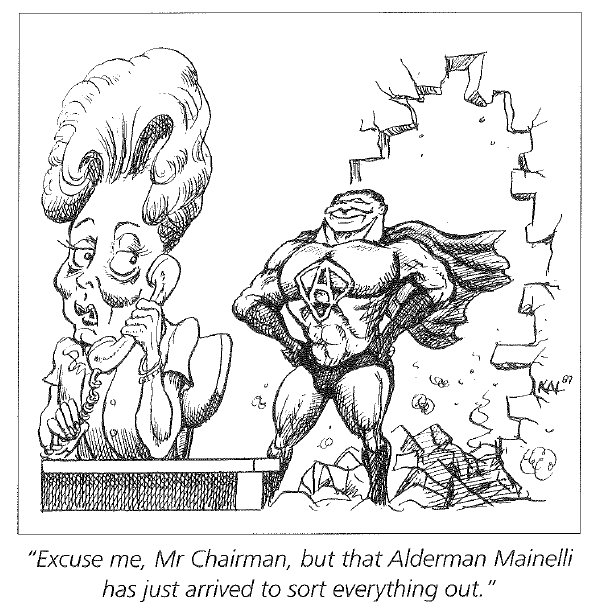
In these days of continuous assessment, how do you know where you stand? For folks in the City you could do worse than look into the Liber Albus 2015 (White Book 2015). So what am I to make of this contribution to the book?
A bit frightening that I appear to be increasing the City of London Corporation’s repair bills. Perhaps I’ll fare better in next year’s annual review.
Samuel Johnson’s famous remark went – “Why, Sir, you find no man, at all intellectual, who is willing to leave London. No, Sir, when a man is tired of London, he is tired of life; for there is in London all that life can afford.”
Johnson made this remark to his biographer, Boswell (who interestingly lived in Scotland throughout their relationship), on 20 September 1777. Not a lot has changed. My dear friend and former mathematics teacher, Bill Joseph, retired to London citing three big reasons, Gresham College (intellectual), the National Health Service, and free Transport for London passes. Same idea as Johnson’s I’d guess.
So 239 years later, how does London look for the world weary? Johnson may have been correct about “tired of London”, but that doesn’t mean you can’t easily become “tired in London”. What an exhausting and interesting month for us. So exhausting that this piece is more a photo album of things we did than any form of essay. First, we got out of London in early May, up to Boswell country in Scotland, and spent the election day (yes, did a postal ballot), revisiting things since the last Scottish trip (which coincided with another election, the Referendum).
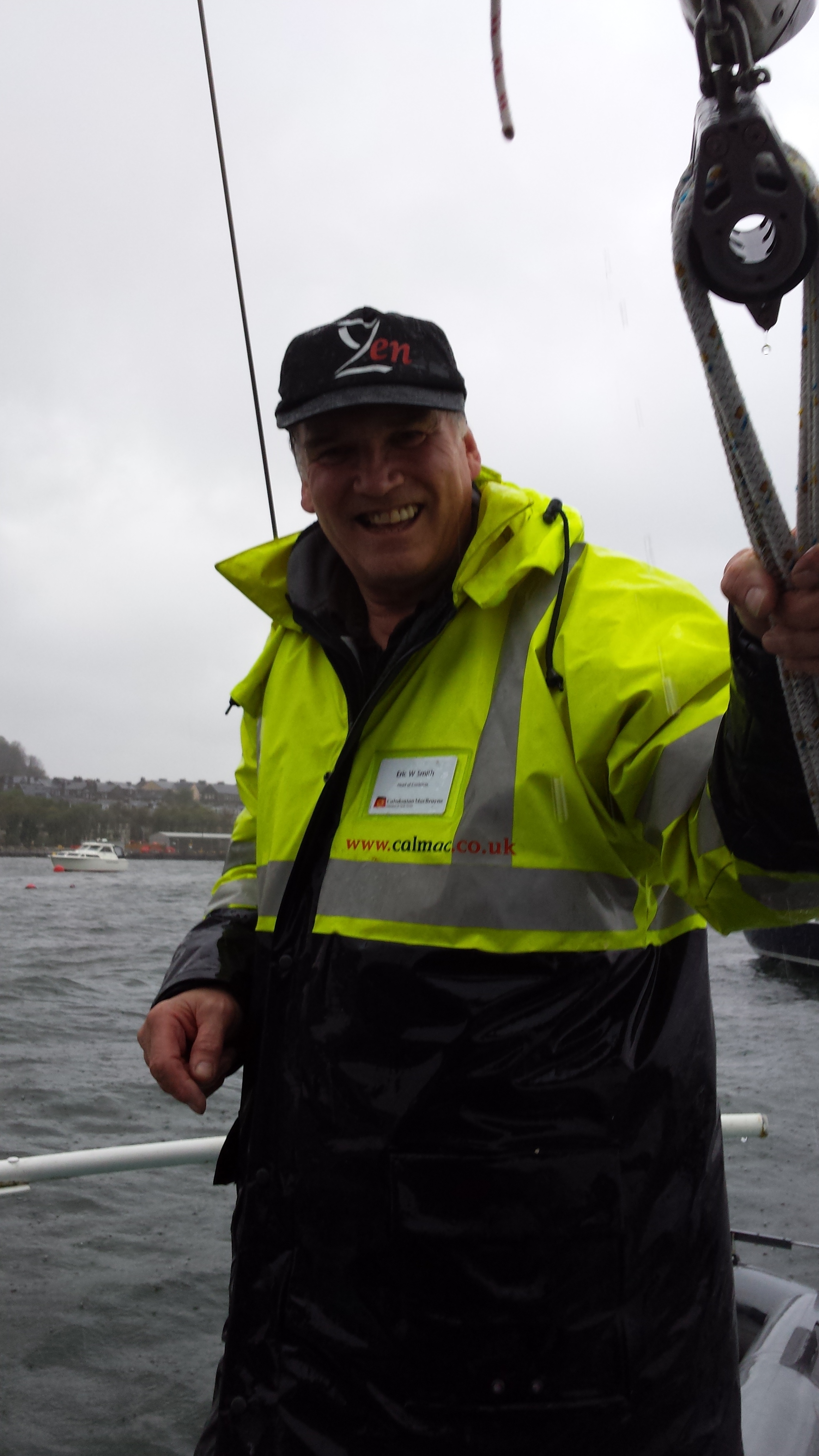
Eric Smith, “I’m standing on the engine … not much use for anything else …”
Eric Smith, pictured above, delivered a great engineering experience around the idea of sailing, though with 45 knot winds, five degree weather, and a diesel engine that knew more about breathing air than combusting air, most of the time was spent either sailing a nine-tonne boat onto a berth without power or down in the fumes of the engine room than sailing ‘towards’ Campbelltown for some whisky tasting. Perhaps next year, on a Caledonian MacBrayne ferry.
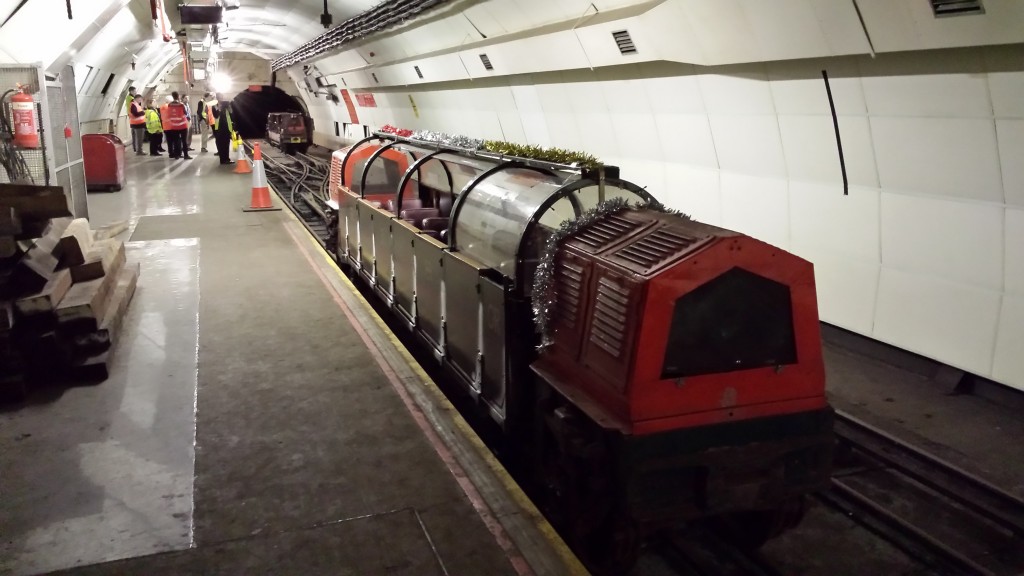
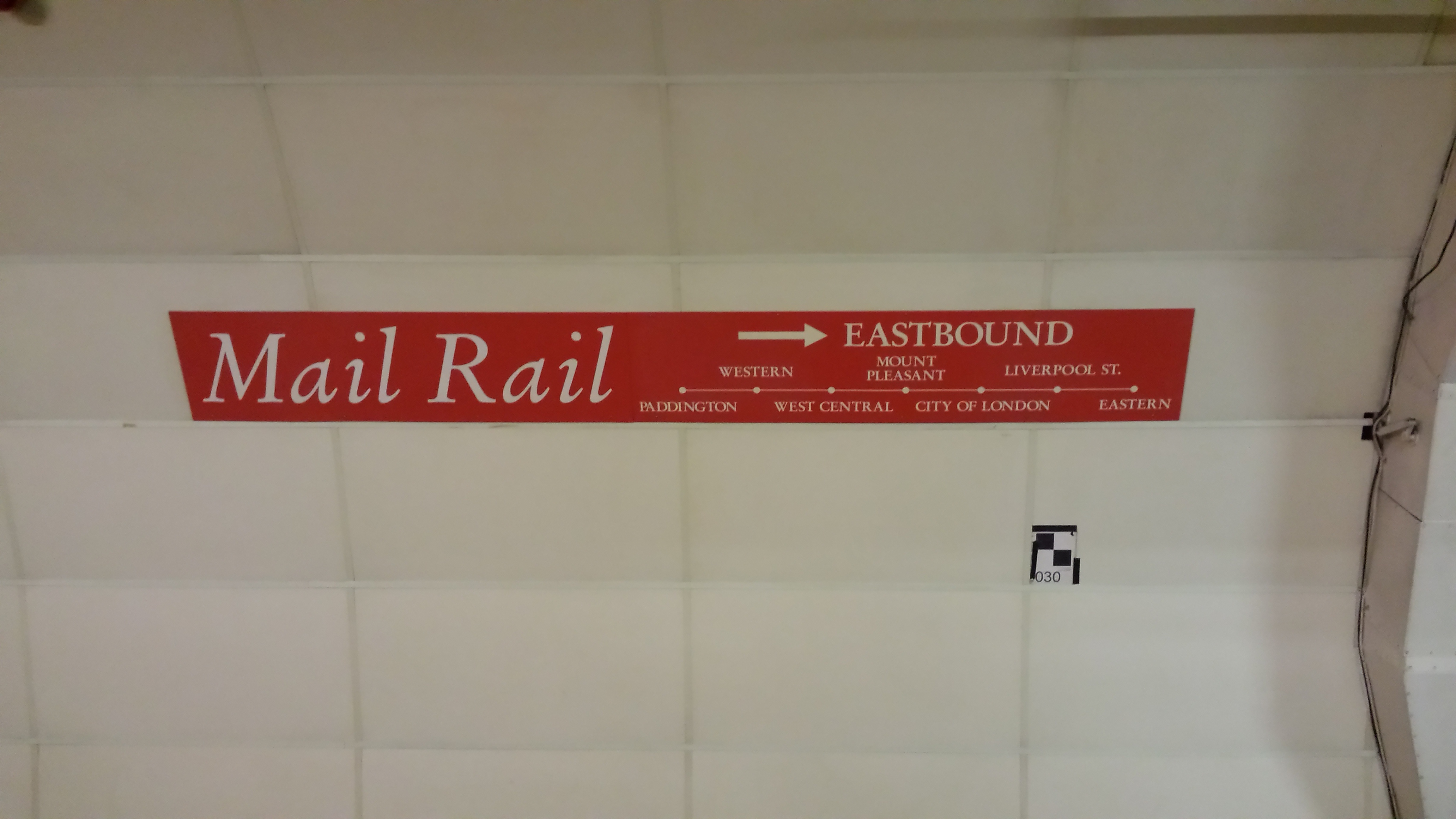
Then more engineering as my daughter and I went to see the state of the “Mail Rail”. I first saw the Mail Rail working in 1986 underneath the old General Post Office headquarters, now the King Edward Building, on St Martin’s le Grand. I’ve been a (minor) patron of getting this rail working again and am delighted that the British Postal Museum & Archive have succeeded in raising the funds to do so.
It will be a major tourist attraction in a couple of years, whisking people on a 15 round-trip journey. Though as my daughter explained it’s really for tourists – “Daddy, as Londoners we see a lot underground platforms”.
On 14 May there was a magnificent celebration of the 800th anniversary of the London Mayoral Charter (9 May 1215) and of the 800th year of the Magna Carta, a nice counterpoint to some Magna Carta Gresham talks I arranged earlier in the year. The commemoration was a service held in Temple Church, then Middle Temple for drinks, then Inner Temple for dinner. Moving choral services, touching sermons, and fantastic hospitality (and wines). In the lectures earlier this year, Lord Igor Judge emphasised the pivotal role of William Marshal, Earl of Pembroke, in the Magna Carta, so it was very touching to have this event with him entombed in Temple Church beside us. I hadn’t fully appreciated the central role of Temple Church and the Templars in the Magna Carta negotiations.
The Temple Church was built by the Knights Templar, an order of military monks founded in 1118 to protect pilgrims to the Holy Land. Here in the Temple the Templars had their Church, two halls, cloisters and domestic buildings, leading in the 12th century straight down to the River Thames. The Round Church was built soon after 1160; it is the earliest Gothic building in England. In the crisis of 1214-5 King John had two London headquarters: the Tower in the East; and the Temple in the West, where he was safe under the protection of the Templars. The Round Church was in use by 1162. It is the earliest Gothic building in England. It was modelled on the circular Church of the Holy Sepulchre in Jerusalem, the site of Christ’s death, burial and rising; to be in the Round Church was, to the medieval imagination, to be in Jerusalem, at the holiest place in the world. Here’s the timeline in full (courtesy of Geoff Pick, Archivist, City of London Corporation):
10 February 1185 – The Round Church was consecrated by Heraclius, Patriarch of Jerusalem, in London to ask King Henry to take on the kingship of Jerusalem.
1204 – King John lost Normandy, Anjou and Poitou to King Philip of France. John’s campaigns to recover them led to ever higher taxes.
March 1213 – The King finalised a treaty with his Continental allies at the Temple, and then deposited 20,000 marks here for his ambassadors.
May-July 1213 – The King submitted to the Pope. Archbishop Stephen Langton returned to England. For the negotiations, the King was staying at the Templars’ house near Dover. William Marshal, Earl of Pembroke was witness and guarantor to the King’s submission. The King’s excommunication was lifted, and in return he offered a golden mark which he borrowed from the Master of the Temple.
3 October 1213 – The King was at the Temple, to confirm at St Paul’s Cathedral that the Pope was now the feudal lord of the King and his kingdom.
27 July 1214 – The Battle of Bouvines. With this defeat John lost all prospect of the recovery of his French possessions.
16-23 November 1214 – The King was in the Temple. On 21 November he issued from the Temple the charter granting ‘with the common consent of our barons’ free elections to cathedral and conventual churches, and on 22 November a grant to St Paul’s Cathedral.
7-15 January 1215 – The King was in the Temple. A group of barons, armed and ready for war, confronted him. According to the barons’ account of this seminal week, they asked the King to confirm their ancient and accustomed liberties but he refused, and in turn he asked them to give a written undertaking on behalf of themselves and their successors that they would never in future demand such liberties. The barons, lacking a prince to claim or put upon the throne, were demanding the King’s own allegiance to a charter. John sought refuge in delay; such innovation, he said, would take time. The barons gave him warning: they were pledging themselves, one and all, as a wall of defence for the house of the Lord and would stand firm for the liberty of the Church and the realm. The barons rightly distrusted the King: during the negotiations themselves John sent emissaries (surely secretly) to the Pope. John gave the barons a safe conduct until after Easter; William Marshal and the Archbishop were among the King’s guarantors, assuring the barons that the King would then give them satisfaction.
15 January – The cathedral and convent charter of 21 November 2014 was reissued from the Temple.
16-22 April 1215 (Eastertide) – The King was in the Temple.
7-9 May 1215 – The King was in the Temple. On 9 May the charter was issued from the Temple that guaranteed to the City of London the right freely to elect its own Lord Mayor. “Know that we have granted, and by this our present writing confirmed, to our barons of our city of London, that they may choose to themselves every year a mayor, who to us may be faithful, discreet, and fit for government of the city, so as, when he shall be chosen, to be presented unto us, or our justice if we shall not be present.” The Lord Mayor still processes on the day of his or her installation to the Royal Courts of Justice to appear before the Lord Chief Justice.
17 May 1215 – The barons captured London. The balance of power now lay against the King; he must negotiate.
28 May 2015 – The King received the imperial regalia of his grandmother the Empress Matilda from the custody of the Master of the Temple. He was going to assert his full majesty at the coming conference.
10 June 1215 – The King arrived at Runnymede.
15 June 1215 – The King sealed the Charter. William Marshal Earl of Pembroke and Brother Aymeric, Master of the Temple, were listed among those who had advised the King. The Earl’s eldest son and Serlo the Mercer, Mayor of London, were two of the Twenty-Five surety barons, appointed to ensure the King’s conformity to the Charter’s terms.
19 October 1216 – King John died. The King’s Council named William Marshal the guardian (rector) of the young King Henry III and of the realm.
12 November 1216 – The Earl of Pembroke reissued the Charter under his own seal.
6 November 1217 – The Earl of Pembroke again reissued the Charter under his own seal. Particular clauses were removed and issued separately as the Charter of the Forest; the remaining reissued clauses from 1215 were from now on known as the Great Charter.
14 May 1219 – The Earl of Pembroke died, and was buried on 20 May in the Temple’s Round Church. The Archbishop of Canterbury presided. Brother Aymeric, who had visited the Earl on his deathbed at Caversham, had wished to be buried next to the Earl; ‘I have enjoyed his fellowship on earth and hope to enjoy it also in heaven.’ On his return to London Aymeric fell ill and pre-deceased the Earl. He and the Earl were buried next to each other in front of the rood-screen between Round and chancel.
1224 – William Marshal the Younger, 2nd Earl of Pembroke married Eleanor, sister of King Henry III.
1225 – King Henry III reissued the Great Charter, in order to secure a grant of taxation.
1235-1236 – Henry III and Queen Eleanor bequeathed their bodies to the Templars. The Templars replaced the small chancel of the Temple Church with the present hall church to be the burial place of the King and Queen. The new chancel was dedicated on Ascension Day 1240 in the presence of the King. Light, airy and simple, it is among the most beautiful of all Early English Gothic churches. (Henry III was in fact buried in Westminster Abbey, the Queen in Amesbury.)
1237, 1244, 1251 – A grant of taxation was made to the King upon the confirmation of the Charter. The meeting of the Great Council in 1237 was described as a Parliament, the word’s first use in the vocabulary of our constitution.
Summer 1258 – The Council established by the Provisions of Oxford met daily, in the Temple and elsewhere, ‘spending wakeful nights,’ the Pope was told, ‘to prepare peace for others.’
March 1259 – The Council proclaimed in the Temple its first set of proposals, the foundational Provisions of the English Barons, ‘on account of the common good of the whole realm and of the King himself’. The King summoned Parliament to the Tower, demanding that the barons come unarmed. The barons refused, and insisted on Westminster. Parliament in fact met at the Temple, a compromise safe for both sides.
12 October 1297 – Edward I re-issued the Great Charter. An official copy was for the first time enrolled by the Chancery and copied into the earliest of the Chancery’s Statute Rolls as an official enactment of the text.
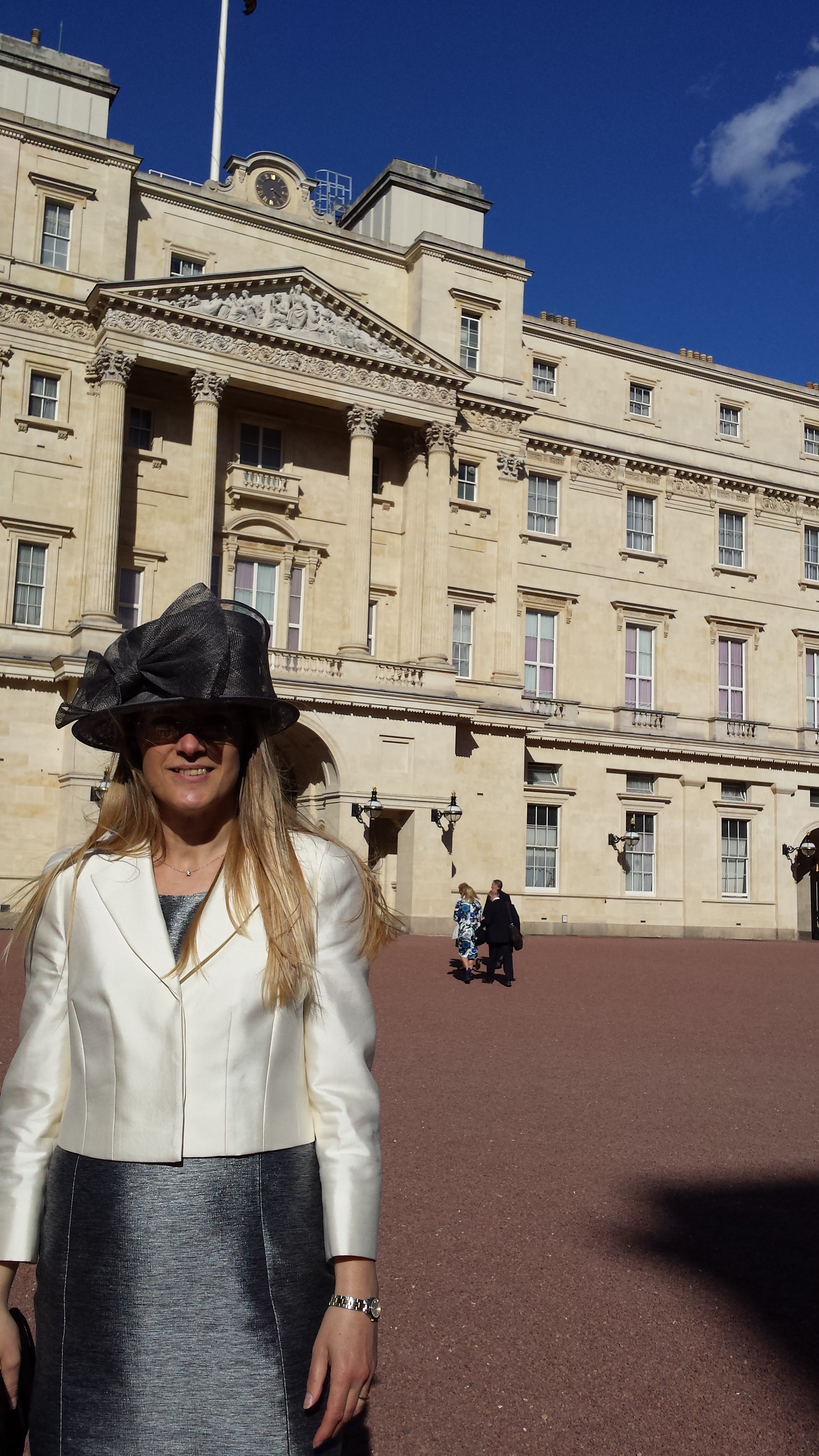
It felt only appropriate to round this tiring month off to check on what those Royals are now up to, with a visit to Buckingham Palace for tea:
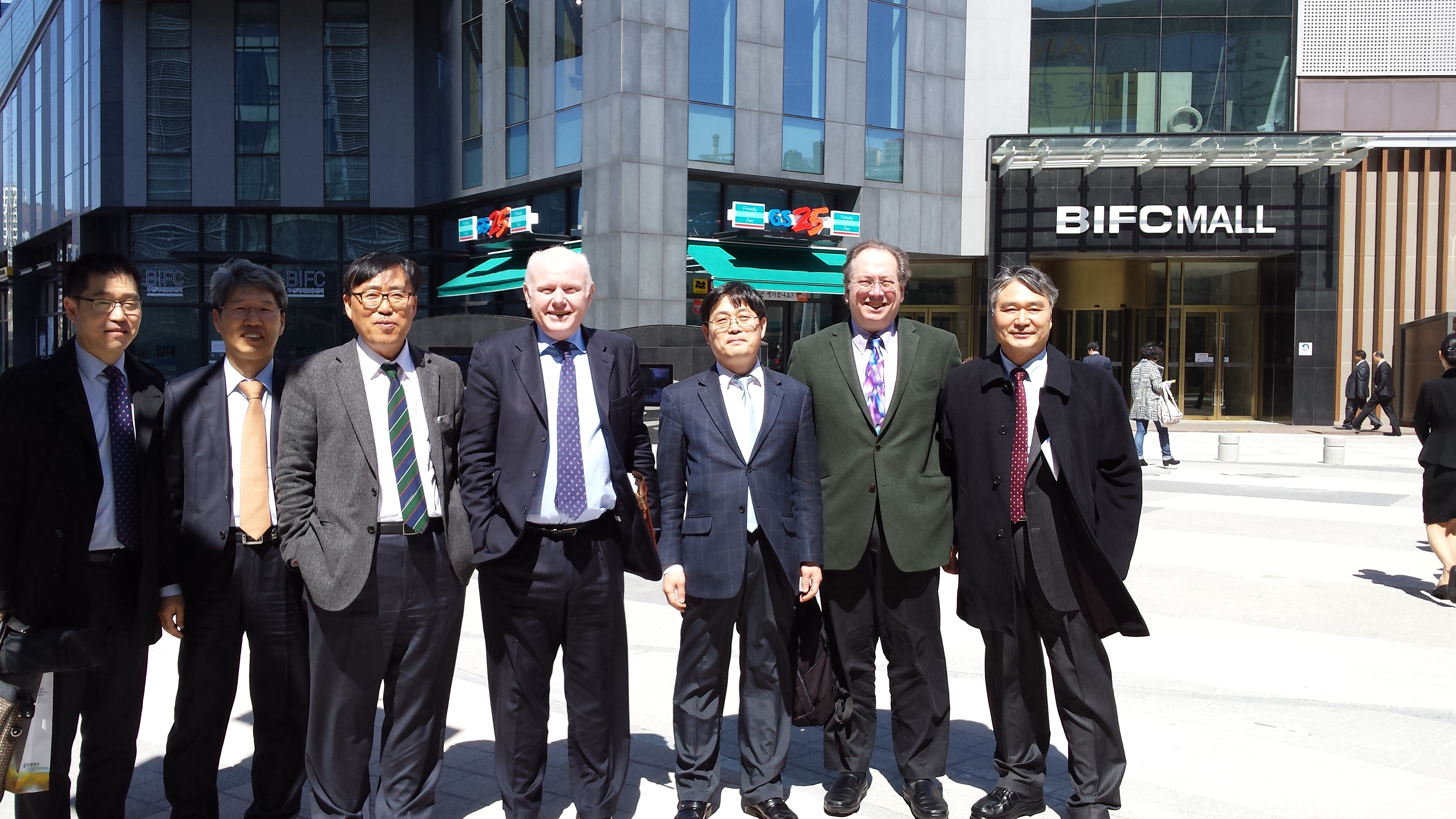
Had The Vapours had their hit a few years later, who knows how it might have gone. I went with my friend Mark Yeandle to launch Global Financial Centres Index 17 (yes, 17 since we started in 2005 and published from 2007) in Busan on 23 March. It was an exciting trip, though I felt rather guilty about 44 hours travel for 36 hours there. I haven’t been to Busan since the financial meltdown of 1997 and what a change it is. The city’s population has shrunk slightly, but wow has the quality of life surged – more parks, more recognition of the need for environmental protection and sustainability. Here we are with some of our hosts after the launch event with the mayor.
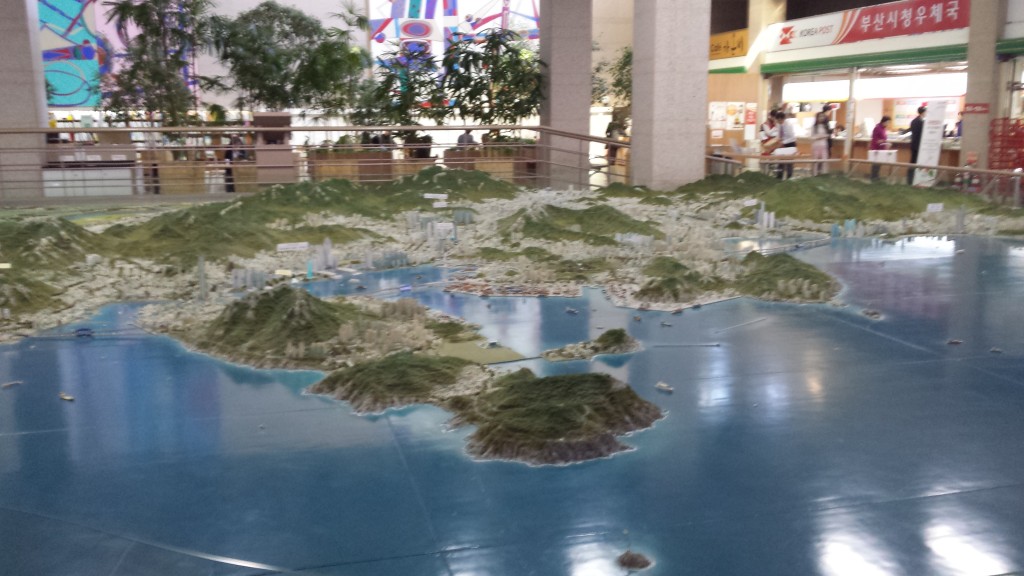
Perhaps the most interesting bit of the trip was seeing how they focus on greeting visitors. Busan is geared to having a single administrative area where new businesses are whisked through the variety of offices they need to visit in a single day in a single area. Two particularly interesting items for businesses thinking of coming to Busan were a 1:2000 and also a nearby 1:4000 scale model of the city. Here’s a photo of the 1:2000.
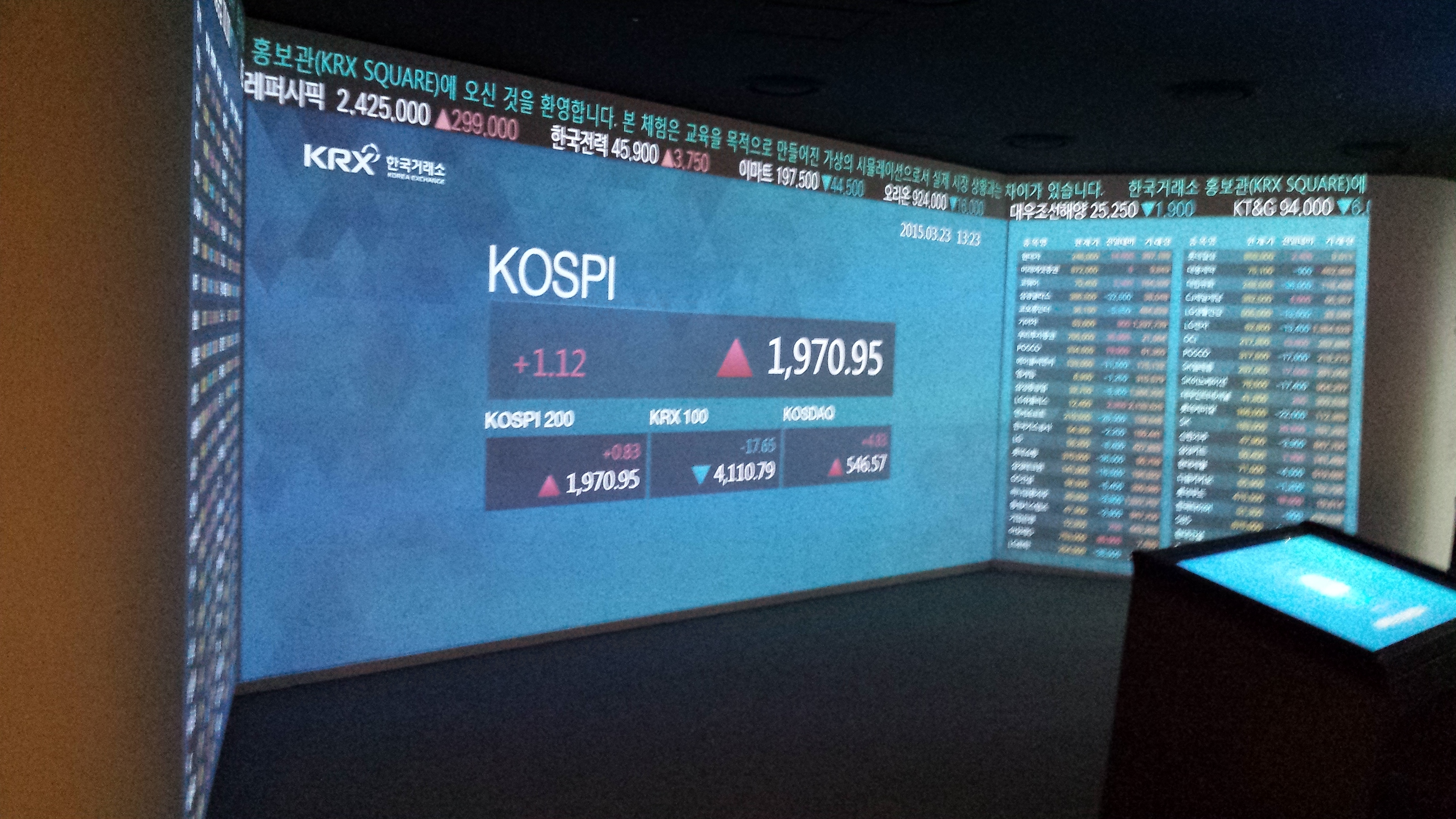
Further, the Korean Stock Exchange, which evolved from the traditional rice market trade in the port, is headquartered here. Unlike certain London exchanges, they have a fantastic museum for the public.
Though talking about comparable tourism among financial centres does give me an opportunity to plug the City of London Walk of Commerce & Finance Z/Yen helped create – free ebook for the public. Heading home was hard, as I loved the food and the hospitality of our hosts, though I won’t miss some extremely, too extremely, fresh octopus.
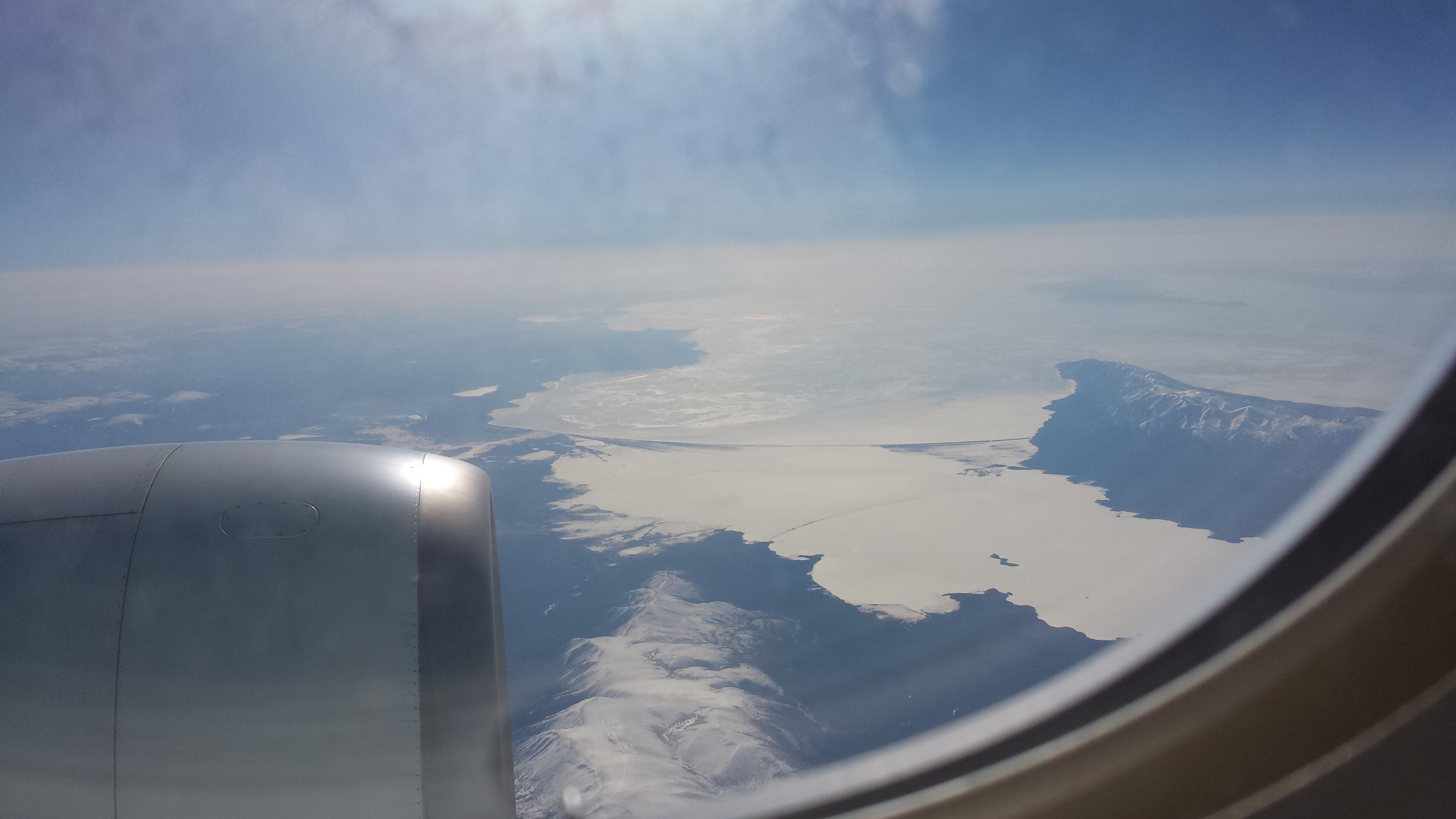
On the flight back, I cracked open a thriller written by a friend, Blue Eye by Tracy Elner, only to find that it is set on Lake Baikal – look at what was outside the window of the Korean Air flight home.
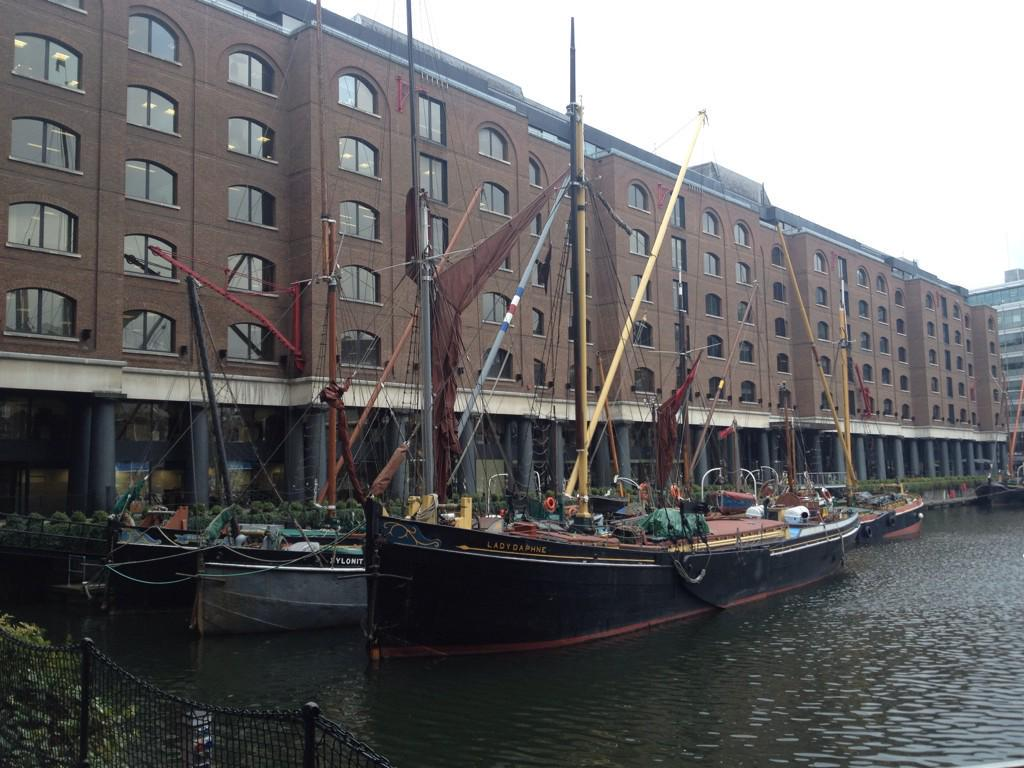
We were delighted with today’s BBC1 coverage of Lady Daphne in Heir Hunters, Series 9, Episode 5 (of 20), “Morris/Evans” (09:15, Friday, 27 February 2015). Not only did they have a great case to solve with Robert Evans, and made it interesting, but also included a lot of footage of sailing barge history:
“After the heir hunters race to find her, one heir visits the home of the relative she never knew. Surprisingly, it is just ten minutes down the road from her own house.
Whilst on another case, the heir hunters experience a strange sense of déjà vu. They find themselves tracing heirs to an estate of a lady whom they have met before, and their search uncovers the remarkable history of Thames bargemen.”
I do remember it was a cold and wet afternoon back in October 2013 when we did the filming – yes, nearly 18 months till airing. It was great to meet Robert Evans, who seemed really pleased to learn about his family history. Anyway, if you just want to watch Robert and “Mike”, the other star, with the grand old Lady, our section starts at 30:00/43:50.
By the way – Lady Daphne available for bookings from 1 April! – www.lady-daphne.co.uk
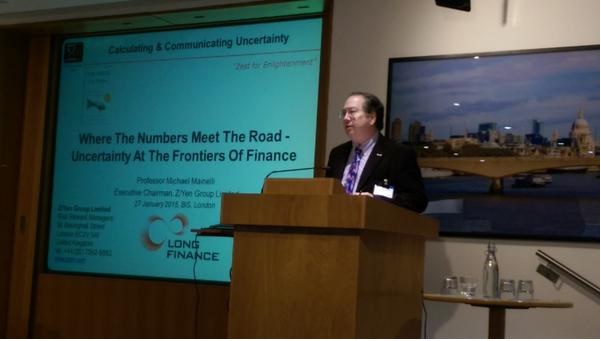
Voltaire said, “Doubt is not an agreeable condition, but certainty is absurd.” I was asked to share my ignorance by speaking about uncertainty and finance at the Calculating & Communicating Uncertainty Conference on 27 January 2015 at BIS, London. The event was sponsored by the UK Ministry of Defence, Defence Science & Technology Laboratory (DSTL) and Public Health England, and organised by the University of Southampton. You can read the full talk, “Where The Numbers Meet The Road – Uncertainty At The Frontiers Of Finance”. As my highlight, I would point out how much I enjoyed sharing with the audience my concept of “Knightian Ignorance”.
University of Chicago economist Frank Knight (1885–1972) distinguished risk and uncertainty in his 1921 work Risk, Uncertainty, and Profit. Risk is something you can assess by knowing impact and likelihood. Uncertainty is something you realise might happen, but can’t quantify. Black Swans and unknown unknowns are popular party points today. To explain the conjunction of known unknowns and unknown unknowns I remembered the UK Conservative Party’s crude slogan under Michael Howard in the 2005 general election, “Are you thinking what we’re thinking?” I could explain known unknowns and unknown unknowns as Knightian Ignorance, “Are you not thinking what I’m not thinking?” Enjoy!
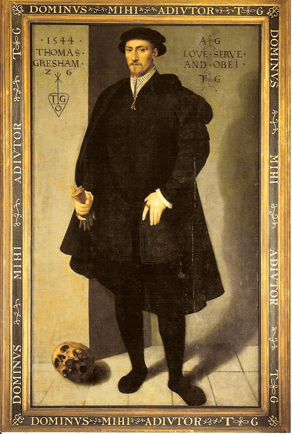
Sir
Thomas Gresham (1519-79) is possibly the most over-looked sixteenth century
merchant and financier. Gresham served
four Tudor monarchs, managed to keep his head, and all the while made money. His Will of 1575 established his most enduring
legacy, Gresham College:
What a most interesting talk to give. My dear friend, Robin Sherlock KCLJ MA, former Chief Commoner of the City of London Corporation, asked me to speak at the Ladies’ Dinner of The Dulwich Club where he has been Senior Steward the past year. The Club, founded in 1772, is one of the oldest dining societies in the world. Elisabeth and I found the entire evening a delight. Haberdashers’ Hall was rebuilt after the fire of 1666 and the bombing of WWII, yet the Company made a brave decision to open one of the most tasteful modern halls in 2002, a true architectural gem opposite St Barthomew’s.
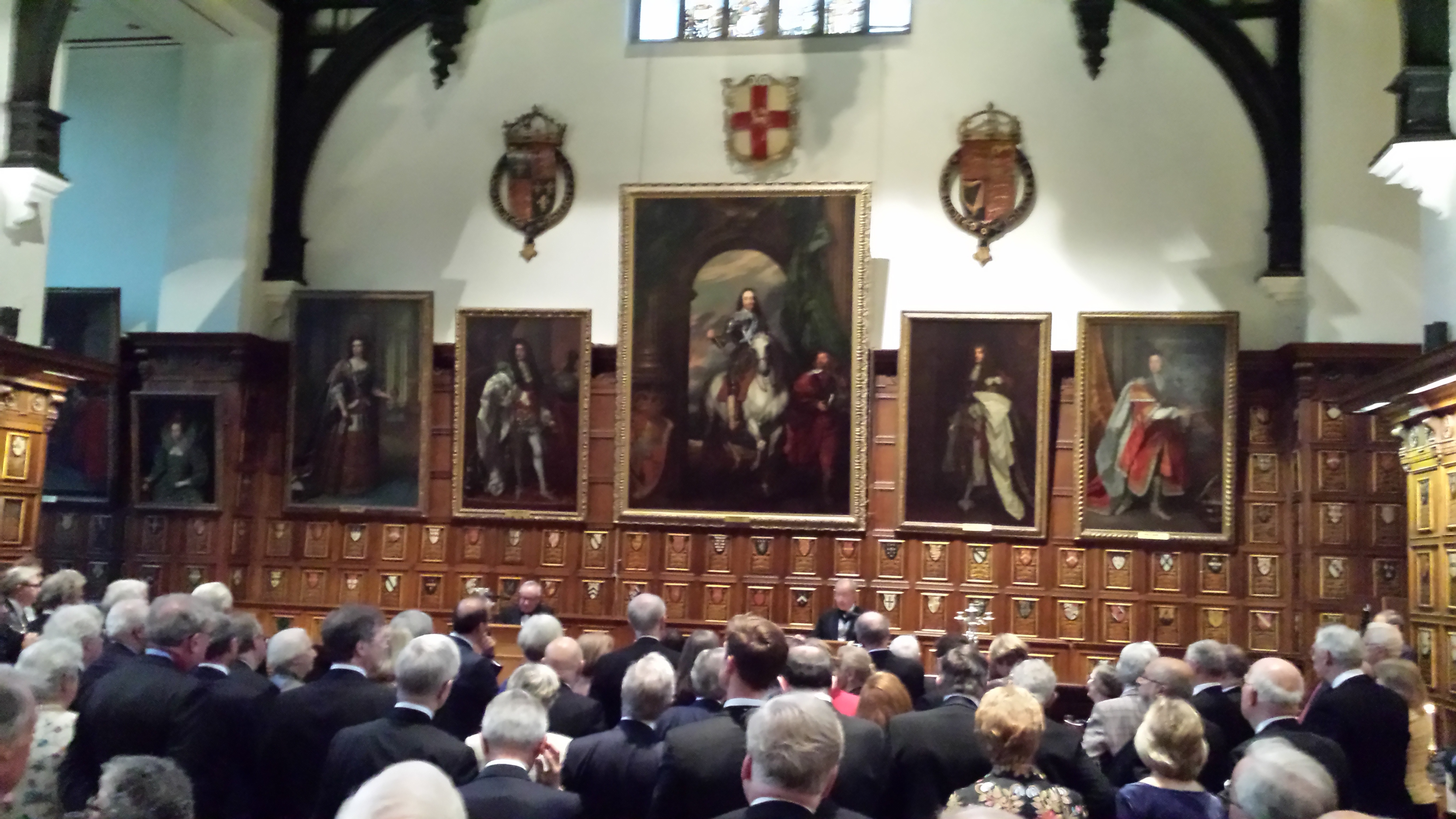
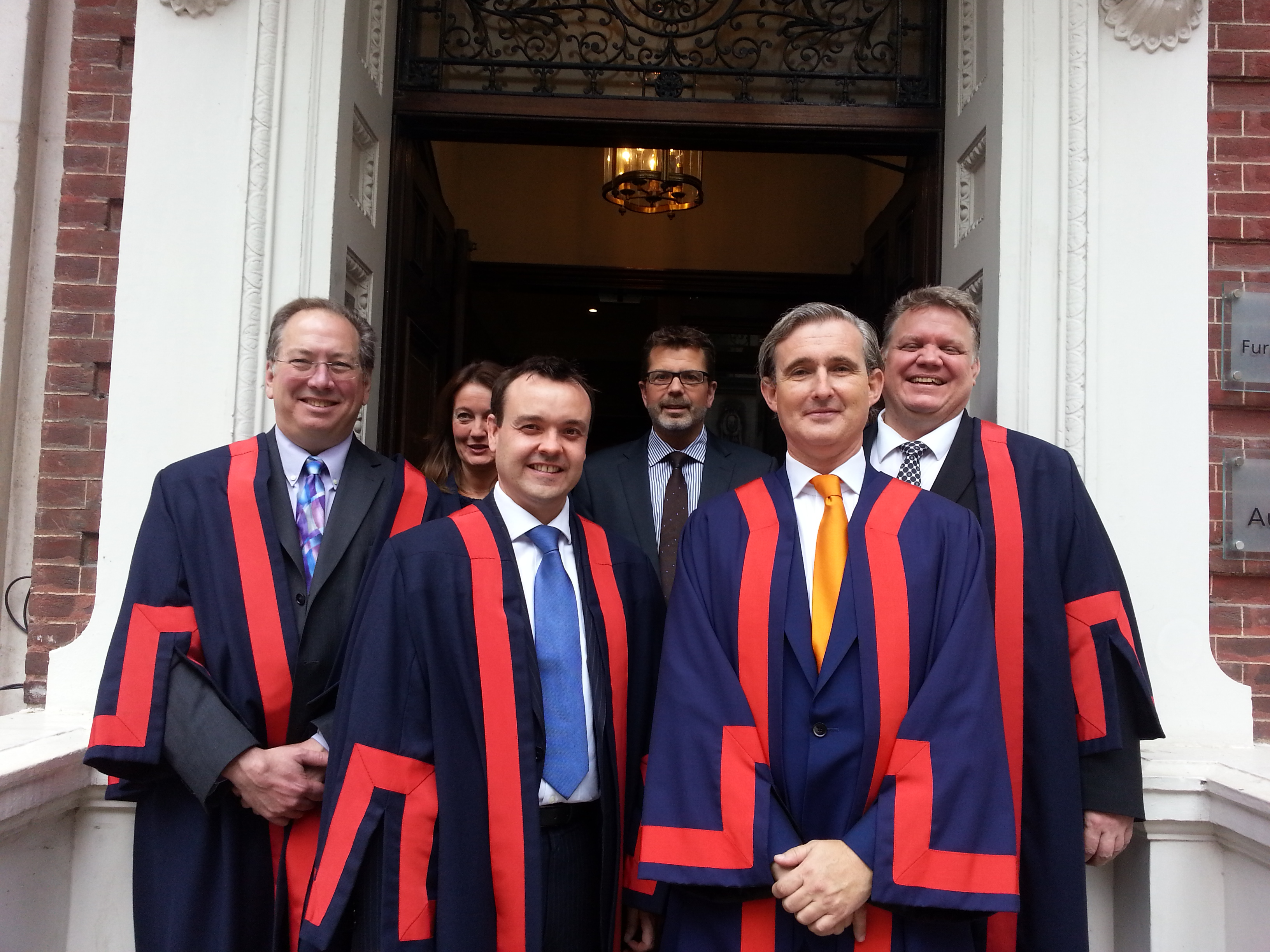
Today was one of the most delightful days for me. The Furniture Makers made me, as their Alderman, an Honorary Liveryman. It was a lovely ceremony done both in good taste and a speed just below haste and well above boring. You can see the beaming faces of all the liverymen below.
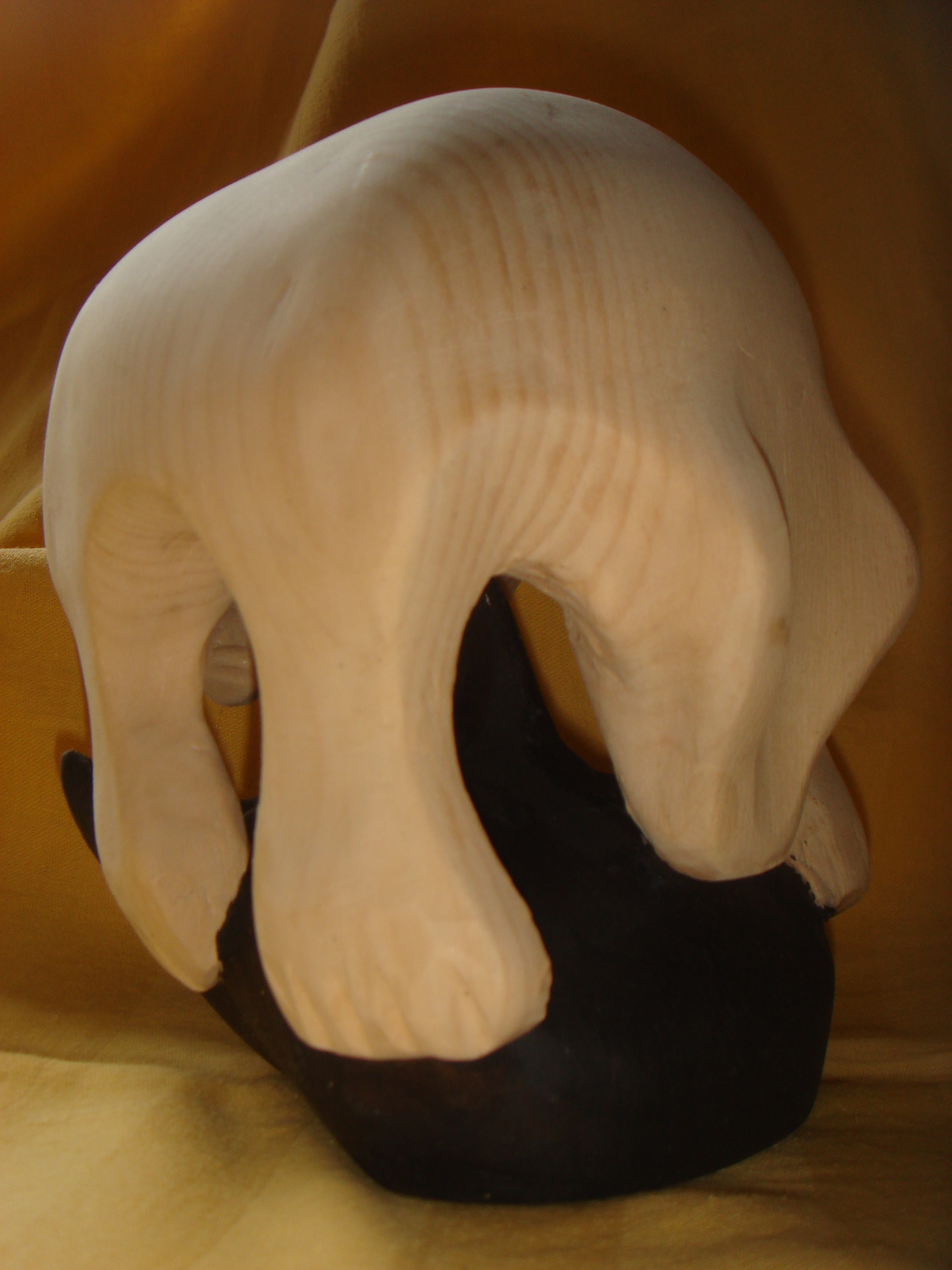
The Furniture Makers are a more recent livery, though they achieved their Royal Charter last year after 50 years as a livery – http://www.furnituremkrs.co.uk/. What makes them exciting is a wonderful combination of being an active trade, full of people with imagination and good taste. For example, at their Royal Charter and 50th anniversary dinner they had goldfish (gold = 50th) in large martini-shaped glass bowls on the table. The goldfish in front and above me seemed to perk up every time the photographer came by – “here’s my best side” – and went back to lazy swimming the moment he left. The Furniture Makers took care that the goldfish were comfortable and went to good homes immediately afterwards. Despite my earnest attempts at woodcarving, e.g.:
they seem to like people who can shake hands without too many plasters, so I suspect they’ll been looking inward for the real talent. I do hope to do many good things with them over the years to come and thank them for placing such confidence in my membership.